Benefits of Installing a Smart Thermostat for Energy Efficiency
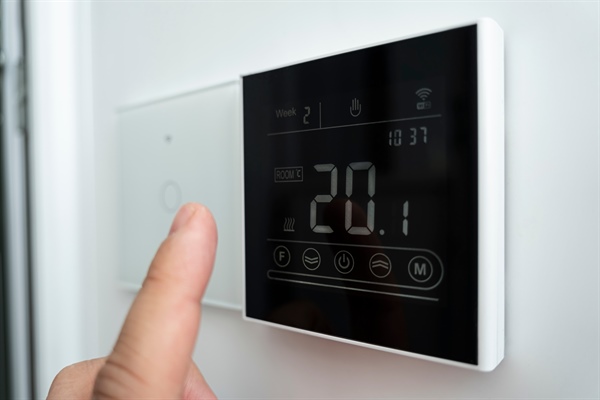
Smart thermostats have rapidly become one of the most valuable upgrades for homeowners seeking better energy efficiency, comfort, and indoor environment control.
Unlike traditional models needing manual adjustments, smart thermostats learn your habits, adjust your daily routine, and automatically optimize temperature settings to lower energy use without reducing comfort. Whether you're away at work, traveling, or simply in another room, you can manage your home’s temperature remotely through a smartphone app, offering both convenience and precise control.
The advantages go beyond automation and convenience. Smart thermostats deliver measurable energy savings and improve system performance. They monitor usage patterns, detect inefficiencies, and offer insights to help homeowners make smart energy choices. At Tiger Plumbing Heating & Air in Eden Prairie, we recognize the importance of this technology and provide thermostat services designed to meet modern comfort demands. But why are smart thermostats such a smart investment?
In this article, we’ll cover key questions to help you understand how smart thermostats function and why they are an effective choice for homeowners. Read on to get started.
How Smart Thermostats Reduce Energy Consumption in Homes
Smart thermostats reduce energy consumption by learning user behavior and optimizing heating and cooling schedules accordingly.
Through machine learning algorithms, these devices detect patterns when occupants are home or away and adjust the temperature to avoid unnecessary HVAC operation. Many models also use geofencing to detect the proximity of a homeowner's smartphone, adjusting settings automatically based on their location. This prevents the system from running at full capacity when no one is home, which is one of the primary sources of energy waste in residential buildings.
Another major contributor to energy savings is occupancy sensors and motion detectors. These sensors work with scheduling features to maintain temperature precision, reduce run times, and keep energy consumption within defined limits. Smart thermostats also offer advanced monitoring and reporting features. Users can view daily, weekly, or monthly energy reports that identify peak usage periods and provide tailored suggestions to improve efficiency. These insights help homeowners make informed decisions about setting adjustments and maintenance schedules.
Manufacturers design these devices to comply with ENERGY STAR standards, which means verified reductions in energy use. According to ENERGY STAR, smart thermostats can save an average of 8% on heating and cooling bills. Tiger Plumbing Heating & Air can integrate smart thermostat systems into broader energy efficiency strategies.
Top Smart Thermostat Features You Should Prioritize
When selecting a smart thermostat, the most useful features typically fall into four categories: adaptive scheduling, remote control, energy reporting, and HVAC integration.
Adaptive scheduling allows the thermostat to learn and anticipate your preferences, adjusting temperatures automatically throughout the day. Remote control through mobile apps gives you full access to your HVAC system while away from home, making it easier to adjust settings, check system status, and receive alerts for issues like rapid temperature changes or lost connectivity.
Energy usage reports provide transparency into how much energy your system is using and when. Some thermostats offer comparative benchmarking, allowing users to measure their usage against similar households. These insights help optimize usage and reduce costs. Integration capabilities are another important factor. Look for compatibility with smart home platforms like Amazon Alexa, Google Home, or Apple HomeKit and compatibility with a wide range of HVAC systems and zoning setups. Additional sensors for rooms and vents can improve temperature accuracy throughout the home.
Models with built-in diagnostics and maintenance reminders also help homeowners avoid potential issues. Alerts for system inefficiencies, filter changes, or connectivity errors are standard in many units. These features make the system more intuitive and reduce the risk of unexpected failures.
Learn more about how these features connect to broader air quality and energy management goals.
How to Properly Install a Smart Thermostat in Your Home
Installing a smart thermostat involves electrical and HVAC work that must be done safely and correctly. If you do not have electrical training or certification, attempting this yourself can be hazardous and may damage your system or create safety risks.
Before doing anything, power to your HVAC system must be shut off at the breaker to avoid electrical shock. Removing the old thermostat and properly labeling each wire is critical. Incorrect wiring can cause serious problems, including system failure.
After securing the new thermostat base, the wires must be connected precisely to the correct terminals. Some systems may also require a C-wire for constant power. If your setup lacks this, or if you are unsure, professional help is strongly recommended.
Once installed, the thermostat must be powered on, connected to Wi-Fi, and calibrated. Any mistakes during installation or setup can lead to poor system performance, short cycling, or even permanent damage.
For safety and proper operation, it is best to hire a licensed technician unless you have certified electrical experience. Incorrect installation risks the thermostat’s functionality and can also harm your home and equipment.
Smart Thermostat Compatibility with Existing HVAC Systems
Compatibility between smart thermostats and HVAC systems depends primarily on system voltage and control architecture.
Most modern smart thermostats are designed to work with low-voltage (24V) systems, which are common in residential forced-air, heat pump, and boiler setups. Systems that operate on line voltage (120V or 240V), such as electric baseboard heaters, are generally incompatible unless the thermostat is specifically designed for high-voltage applications. Always check the manufacturer’s compatibility guide before purchase.
Wiring configuration is the next consideration. Most smart thermostats require a C-wire to provide consistent power, which older systems might not have. Some models offer power-extending kits to bridge this gap, but success depends on the specific HVAC configuration. Multi-stage systems, dual-fuel systems, and zone control systems may require thermostats with advanced configuration settings or installation by HVAC professionals to ensure full compatibility. Incompatible pairings can lead to features not working properly or damage to HVAC components.
Home automation platforms can also influence compatibility. Some thermostats are optimized for integration with systems like Nest, Ecobee, or Honeywell, which may have unique requirements or limitations. Before choosing a thermostat, homeowners should verify system specs and confirm support for any third-party sensors or accessories already in use.
A professional evaluation is recommended when working with complex or non-standard systems.
Troubleshooting Common Smart Thermostat Issues
Smart thermostat issues typically fall into five categories: connectivity, sensor errors, HVAC miscommunication, firmware bugs, and user setup errors.
Wi-Fi disconnection is a common problem that can prevent remote access and data syncing. To fix this, users should restart their router, verify the thermostat’s network credentials, and ensure the device is within range of the wireless signal. Firmware updates may also fix connectivity bugs or intermittent signal drops.
Sensor errors, including inaccurate temperature readings, often stem from improper placement or electrical interference. Thermostats should not be installed near vents, windows, or heat-producing appliances. Relocating the device or using remote sensors can improve accuracy. HVAC miscommunication occurs when the thermostat doesn’t correctly trigger system functions. This may result from incorrect wiring, incompatible HVAC modes, or improper equipment configuration during setup. Reviewing the system wiring diagram and reset procedures can resolve many of these problems.
Other frequent issues include unresponsive screens, unexpected system behavior, or failure to maintain schedules. These problems are often traced to outdated software or user error during initial configuration. Performing a factory reset and reprogramming the device usually resolves the issue.
For persistent problems, manufacturer support or a certified technician may be required to diagnose system-level faults or hardware defects.
Expert Smart Thermostat Guidance from Tiger Plumbing Heating & Air
Choosing the right smart thermostat, installing it properly, and ensuring compatibility with your HVAC system can feel overwhelming. That’s where we come in.
At Tiger Plumbing Heating & Air, we handle every detail—energy efficiency, system compatibility, advanced features, installation, and troubleshooting. Our experienced team knows what it takes to make smart technology work seamlessly with your heating and cooling setup. We’re here to make the process simple and stress-free.
We offer various HVAC solutions that work smoothly with today’s leading smart thermostats. Whether you’re upgrading from a manual unit or adding a smart device to a multi-zone system, our technicians understand the technical details and brand requirements. We also resolve wiring challenges and system conflicts to keep everything running smoothly. If you already have a smart thermostat and are facing issues, we provide fast, accurate diagnostic and repair services to get things back on track.
If you’re ready to take control of your comfort and energy costs, we’re ready to help. Request a free estimate and let Tiger Plumbing Heating & Air deliver the right solution for your home and your goals. Our team is standing by to make your upgrade easy and effective. Call us today at 612-445-3030 for your inquiries.