Environmental Benefits of Salt-Free Water Softening Systems
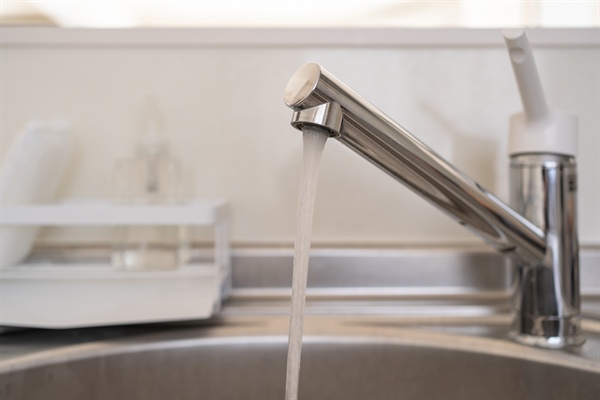
Water softening systems have long been used to address the challenges posed by hard water—excess minerals like calcium and magnesium that can damage plumbing, appliances, and reduce the efficiency of water heaters.
Traditional salt-based systems, while effective in reducing water hardness, create their own set of environmental issues. They discharge brine into the wastewater system, contribute to excess sodium levels in the environment, and require the regular use of salt, which adds to long-term operational costs and environmental strain.
As concerns about environmental sustainability grow, salt-free water softening has emerged as a cleaner, more efficient alternative. These systems work by altering the structure of mineral ions so they don’t accumulate and form scale, without adding salt or chemicals to the water.
This chemical-free approach offers an eco-friendlier solution for households and businesses alike.
For homeowners and property managers in Eden Prairie and beyond, understanding the full environmental advantages of switching to salt-free water softening is critical.
Tiger Plumbing Heating & Air offers insights into how these systems can positively impact water sources, reduce pollutant levels, and support broader sustainability goals. This article will cover key environmental aspects.
How Salt-Free Water Softening Systems Protect Local Water Sources
Traditional salt-based water softeners operate by exchanging hardness minerals like calcium and magnesium with sodium through ion exchange. This process creates a byproduct known as brine, highly concentrated saltwater, which is discharged into municipal wastewater systems.
Over time, this discharge contributes to elevated sodium levels in local groundwater and surface water bodies. These elevated levels can negatively affect soil structure, aquatic life, and the overall ecological balance of nearby environments.
In contrast, salt-free systems do not rely on chemical exchange or discharge brine, making them a much less intrusive option for local water ecosystems.
Salt-free softeners utilize methods like template-assisted crystallization (TAC) to convert hardness minerals into stable crystals that do not adhere to surfaces.
Because these systems do not remove minerals from the water or introduce sodium, the treated water maintains its natural composition. This approach preserves the mineral balance of discharged water, ensuring that it is less disruptive when it reenters the local watershed.
It also reduces the burden on municipal water treatment facilities, which often struggle to manage high-sodium wastewater from residential and commercial softening systems.
By maintaining the integrity of natural water chemistry and eliminating the need for brine discharge, salt-free water softening significantly reduces the environmental footprint of water treatment at the household level. This contributes to healthier ecosystems and more sustainable water management practices across communities.
Salt-Free Systems Help Reduce Environmental Pollutants
One of the most pressing concerns with conventional water softeners is their contribution to environmental pollution through both chemical discharge and excessive water usage.
Ion exchange systems periodically regenerate using large volumes of water mixed with salt, flushing these mixtures into the sewage system. This process releases not only sodium but also chlorine, detergents, and other regenerant chemicals into the environment.
These pollutants can bypass standard wastewater treatment and accumulate in rivers, lakes, and soils, impacting aquatic habitats and contaminating drinking water supplies.
Salt-free systems, such as those offered through advanced water treatment services, are designed to eliminate this cycle entirely. They do not require salt, chemical additives, or regeneration cycles.
This eliminates the need for chemical-based maintenance, meaning no pollutants are introduced into the wastewater stream during system operation.
The result is a significant reduction in point-source pollution, which is especially important in areas with fragile ecosystems or limited water treatment capacity.
In addition to avoiding chemical discharge, salt-free systems also typically use less energy and water overall. The absence of regeneration cycles translates into lower resource consumption over time, which further contributes to environmental protection.
For eco-conscious property owners, these systems provide a dual benefit: effective water conditioning and a smaller ecological footprint.
Sustainability Benefits of Salt-Free Water Softening Systems
Sustainability in water treatment refers to long-term efficiency, reduced waste, minimal environmental disruption, and lower resource consumption.
Salt-free systems align with these principles by eliminating the most resource-intensive aspects of traditional softeners. Without the need for salt replenishment or regeneration, these systems reduce the demand for mined or manufactured salt and the fuel used to transport it.
Over time, this reduction in logistical and material needs contributes to a more sustainable home or business operation.
Salt-free water softening also promotes sustainable plumbing and appliance longevity. The non-scaling crystals formed in TAC-based systems reduce buildup on internal surfaces, preserving the efficiency and lifespan of water heaters, dishwashers, and piping.
This leads to fewer replacements, less material waste, and reduced energy consumption over the life of the system. The absence of scale also means less need for chemical cleaners, which can pose their own environmental risks when disposed of improperly.
From manufacturing to end use, the lifecycle of a salt-free system generates less environmental impact compared to salt-based models. These systems represent a forward-thinking approach to sustainability—one that minimizes ecological disruption while maximizing operational efficiency.
Comparing Eco-Friendliness: Salt-Free vs. Traditional Water Softeners
When comparing traditional salt-based softeners and salt-free systems, the key distinction lies in the environmental cost of operation. Traditional systems require continuous salt purchases and generate brine waste, which often makes its way into groundwater or municipal treatment plants.
In regions with salt restrictions or drought-prone environments, these systems are increasingly discouraged due to their cumulative environmental burden. The need for regeneration cycles also means greater water and energy use, further reducing their eco-friendliness.
Salt-free systems do not use consumable materials that require ongoing mining, packaging, and transport. The absence of brine waste and the non-reliance on electrical components in many models translates to lower long-term emissions and fewer disposal issues.
While both systems aim to address hard water, the ecological implications of salt-based units place a much greater strain on public infrastructure and natural ecosystems.
Eco-conscious consumers increasingly view salt-free technology as a responsible alternative. Although initial costs may be comparable, the environmental and operational savings of salt-free systems often make them a more attractive option over the lifespan of the system.
In terms of energy efficiency, waste production, and pollution mitigation, salt-free technologies provide a clear advantage.
Environmentally Friendly Materials in Salt-Free Systems
The construction materials used in salt-free systems contribute significantly to their environmental profile. Many modern systems utilize durable, recyclable components such as stainless steel, BPA-free plastics, and food-grade resins.
These materials are chosen not only for their non-toxicity and safety in water treatment applications but also for their extended service life and low environmental impact at end-of-life disposal. Long-lasting components reduce waste and replacement frequency, making the systems more sustainable overall.
Template-assisted crystallization systems, for example, often use catalytic media that can operate efficiently for years without needing replacement. This contrasts with salt-based systems, which require periodic media and resin regeneration.
The absence of hazardous substances in the system components also reduces the risk of environmental contamination during manufacturing, installation, or disposal. Furthermore, many manufacturers now prioritize eco-certifications and sustainable sourcing practices for system materials.
By selecting equipment that combines functional durability with responsible material choices, users of salt-free systems benefit from a water conditioning solution that is not only effective but also aligned with environmentally responsible practices.
Tiger Plumbing Heating & Air supports these sustainable technologies to promote long-term environmental stewardship in Eden Prairie and surrounding communities.
Partner with Tiger Plumbing Heating & Air for Sustainable Water Solutions
Addressing water quality challenges doesn't have to come at the expense of the environment. Tiger Plumbing Heating & Air is committed to providing advanced, environmentally responsible solutions to customers throughout Eden Prairie and nearby areas.
Whether you’re exploring how salt-free systems protect local water sources, contribute to sustainability, or help reduce pollutants, our team of experts is equipped with the knowledge and technology to meet your needs.
We work with materials and technologies that reduce waste, conserve energy, and promote long-term operational efficiency—all while helping you maintain safe, high-quality water in your home or business.
If you’re ready to transition to a system that supports both your property and the planet, request your free estimate today. Tiger Plumbing Heating & Air can be reached at 612-445-3030. We’re here to help you choose environmentally friendly solutions without compromising on performance or reliability.