Top Features to Look for in a Sump Pump for Reliable Flood Protection
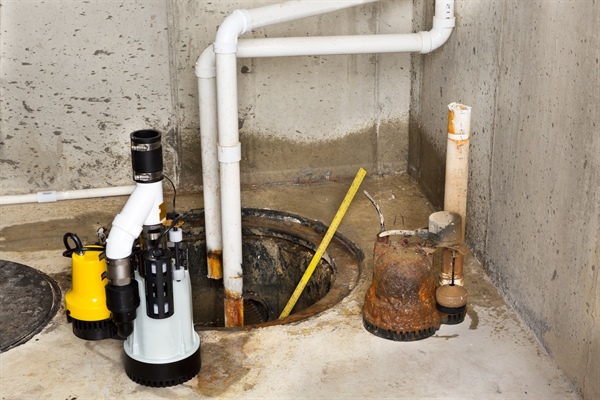
Basement flooding can cause costly damage to your home’s structure and belongings. Whether you're replacing an outdated sump pump or installing one for the first time, understanding the technical features that separate one unit from another is critical.
Choosing the right sump pump isn’t just about picking a brand or price point—it’s about selecting a pump that can meet your home’s specific drainage demands under pressure. From motor strength to sensor responsiveness, every component plays a role in performance and reliability.
In this guide, we’ll walk through the key features to look for when evaluating sump pumps. Each of these points will help you make an informed decision so your sump pump performs when it matters most.
For expert sump pump service, Tiger Plumbing Heating & Air serves Eden Prairie and the surrounding area with professional insight and reliable solutions.
Comparing Submersible vs. Pedestal Sump Pumps: Benefits & Limitations
Submersible and pedestal sump pumps are the two primary configurations available, each designed to fit different installation needs and environmental conditions.
A submersible sump pump is installed directly inside the sump pit and operates underwater, which provides quieter operation and better performance in high-volume water removal.
The sealed design also reduces the risk of motor damage from water exposure and debris. Because they sit below the floor level, submersible pumps also allow for sealed covers, reducing humidity and preventing debris from falling into the basin.
In contrast, pedestal sump pumps feature a motor mounted above the sump pit. Only the pump base is submerged, while the motor remains dry and accessible for maintenance.
These units are often more affordable and offer easier service access, making them ideal for situations where maintenance convenience outweighs the need for high-capacity pumping. However, they are generally louder and not as efficient at managing heavy inflow.
Their design can leave them more exposed to contaminants or accidental damage in open environments.
Choosing between the two often comes down to pit size, noise tolerance, water volume, and budget. Submersible models are better suited for finished basements or spaces where noise and aesthetics are considerations.
Understanding Sump Pump Horsepower Ratings & Their Impact
The horsepower (HP) rating of a sump pump directly influences its pumping capacity. Higher horsepower translates to greater gallons per hour (GPH) flow rates and higher vertical lift capabilities (head height).
Common residential models range from 1/4 HP to 1 HP. A 1/3 HP pump is typically sufficient for average-sized homes with low-to-moderate water entry. Homes with higher water tables, significant groundwater intrusion, or longer discharge runs may require a 1/2 HP or larger model to manage flow effectively and prevent flooding.
Undersizing the horsepower can lead to short cycling, where the pump turns on and off frequently. This stresses the motor and shortens equipment lifespan.
Oversizing, on the other hand, can increase energy use and may not offer additional benefits if your system isn’t designed for high-capacity output. Matching horsepower to your specific drainage and piping requirements is critical for maximizing both performance and durability.
Consulting a licensed contractor for your sump system design helps ensure proper sizing. Tiger Plumbing Heating & Air provides expert assessments and full-service plumbing services in Eden Prairie to match your pump capacity to your home’s needs.
Exploring Backup Power Options for Sump Pumps
Power outages during storms are one of the leading causes of sump pump failure. Backup systems mitigate this risk by keeping water removal active even when electricity is unavailable.
The most common options include battery-powered backups and water-powered systems. Battery backup systems use a deep-cycle marine battery and a separate pump to operate independently of the main unit. They can typically run for several hours to several days, depending on battery size and water volume.
Water-powered backups rely on municipal water pressure to generate suction and evacuate sump water. These are ideal in homes with a reliable high-pressure municipal supply but aren’t suitable for homes on well systems.
While these backups don’t require electricity or battery maintenance, they are generally slower and less powerful than electric pumps. Hybrid systems that combine both methods are also available for added redundancy.
Regardless of the option chosen, the key is redundancy—ensuring there is an automatic failover if the primary pump loses power or fails. Backup systems must also include alarms to notify users of failures or battery depletion, which are critical during extended power loss events.
Types of Water Level Sensing Technologies in Modern Sump Pumps
Sump pumps use water level detection mechanisms to determine when to activate. The oldest and most common design uses a vertical float switch that rises with the water and triggers the pump.
This method is mechanically simple but prone to jamming or failure due to debris. Tethered float switches are another option, offering a wider activation range but requiring a larger pit and more clearance to operate reliably.
Digital and electronic sensor systems have become more popular in modern sump pump designs. These systems often use conductivity sensors or pressure transducers to detect water levels and trigger activation.
They eliminate moving parts, reducing mechanical wear and susceptibility to obstructions. Some models offer dual-sensor redundancy and integration with home monitoring systems for remote alerts and diagnostics.
Choosing the right sensor technology depends on your pit size, maintenance frequency, and tolerance for failure risks. In areas prone to debris or narrow pits, electronic sensors offer longer life and better performance under variable conditions. Advanced detection systems help ensure faster activation and fewer false positives, providing more reliable protection during peak flow events.
What to Expect from Sump Pump Warranties
Warranties for sump pumps vary widely based on brand, model, and configuration. Standard warranties typically range from one to five years, covering defects in materials and workmanship.
High-end pumps, particularly cast-iron or stainless-steel models with premium components, may offer extended coverage up to 10 years.
These warranties generally exclude damage from improper installation, sediment blockages, or lack of maintenance, so it's important to review terms carefully before purchase.
Some manufacturers require professional installation for full warranty validity. Others may offer tiered warranties with limited coverage in early years and pro-rated terms afterward.
Warranties on backup systems and batteries are often separate and may range from 12 to 36 months, depending on technology and usage. Extended service plans are sometimes available through dealers or plumbing contractors to cover labor and diagnostic fees.
Documentation and regular servicing are key to protecting your warranty. Keep installation receipts, maintenance logs, and proof of purchase readily available. For guidance on selecting pumps with robust warranties and professional installation, contact Tiger Plumbing Heating & Air in Eden Prairie.
Get Expert Help Choosing and Installing the Right Sump Pump
Selecting the right sump pump involves more than just picking a model off the shelf. You need the right combination of horsepower, sensor accuracy, backup protection, and build quality to match your home’s water management needs.
Tiger Plumbing Heating & Air in Eden Prairie provides expert service backed by years of hands-on experience with residential drainage systems. Our licensed experts are trained to evaluate your home’s layout, water exposure risk, and sump pit specifications to recommend the best solution.
For recommendations tailored to your property and budget, contact Tiger Plumbing Heating & Air today. You can call us at 612-445-3030 or request a free estimate online.