How Does Improper HVAC System Sizing Affect Long-Term Efficiency and Equipment Lifespan?
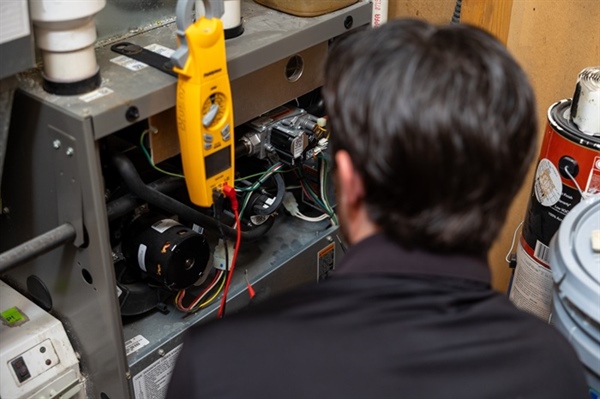
An HVAC system is designed to operate within a specific performance range, balancing capacity, airflow, load demand, and cycle duration. When a system is improperly sized—either too large or too small for the building it serves—the effects extend far beyond comfort. Incorrect sizing alters run times, increases mechanical stress, reduces efficiency, disrupts humidity control, and accelerates component degradation. Over time, these performance imbalances compound, leading to higher energy consumption and shortened equipment lifespan. Even high-quality systems installed by experienced providers such as Tiger Plumbing, Heating & Air are subject to these mechanical realities when sizing calculations are not properly aligned with the structure’s heating and cooling load.
This article examines how improper sizing impacts long-term efficiency and durability, with focused discussion on short cycling and mechanical wear in oversized systems, continuous operation strain in undersized equipment, energy losses from improper run times, humidity control failures, and the rising maintenance costs associated with premature failure. Understanding these dynamics is critical for property owners evaluating system performance, whether operating residential or commercial HVAC equipment. Each section explores the mechanical and thermodynamic principles behind these issues and explains why proper load calculation remains central to system longevity.
Short Cycling and Mechanical Wear in Oversized HVAC Systems
An oversized HVAC system reaches the thermostat setpoint too quickly, causing it to shut off before completing a full operating cycle. This pattern, known as short cycling, forces the compressor and blower motor to start and stop repeatedly throughout the day. Mechanical systems experience the highest electrical and physical stress during startup. Compressor inrush current can be five to seven times higher than normal running amperage, and repeated cycling increases winding temperature and mechanical strain on bearings, valves, and contactors.
Short cycling also prevents the system from reaching steady-state operating efficiency. Air conditioners and heat pumps are engineered to operate most efficiently after several minutes of continuous runtime, once refrigerant pressures stabilize and coil temperatures reach design conditions. When cycles are cut short, the system consumes more energy per unit of cooling delivered. Over time, this leads to elevated wear on capacitors, relays, and compressor components, significantly reducing equipment lifespan.
In addition, frequent starts increase oil migration within the compressor. Refrigerant movement during rapid shutdown and restart can displace lubrication away from critical surfaces, leading to premature internal wear. This mechanical reality explains why oversized systems often fail earlier than properly sized units, even when installed with quality components and maintained according to manufacturer guidelines.
Continuous Operation Strain in Undersized Equipment
While oversized systems cycle too frequently, undersized HVAC equipment operates for excessively long periods in an attempt to meet load demand. Continuous or near-continuous runtime increases thermal stress on motors and compressors. Windings remain under sustained electrical load, raising operating temperatures and accelerating insulation breakdown within the motor assembly.
Extended runtime also increases airflow-related strain. Blower motors operate at elevated duty cycles, leading to faster bearing wear and potential belt degradation in applicable systems. Heat exchangers in heating equipment remain exposed to prolonged thermal expansion, which can contribute to metal fatigue and cracking over time. This sustained stress environment shortens service life compared to systems that cycle within design parameters.
Undersized equipment may never fully satisfy peak heating or cooling demand, meaning it operates at maximum capacity during extreme weather events. Running at full load for extended durations reduces margin for error and increases the likelihood of overheating shutdowns, refrigerant pressure irregularities, or premature compressor failure. These cumulative stresses explain why correct load calculation is central to long-term system durability.
Energy Efficiency Losses from Improper Run Times
HVAC efficiency ratings such as SEER, EER, and AFUE are based on standardized testing conditions that assume appropriate system sizing and typical cycling behavior. When a system is improperly sized, its real-world efficiency can deviate significantly from its rated performance. Oversized systems waste energy through frequent starts, while undersized systems consume excess energy due to extended runtime at peak capacity.
Short cycling reduces latent heat removal and limits coil stabilization time, meaning more electrical energy is used for each degree of temperature adjustment. Undersized systems, by contrast, draw sustained amperage for longer periods, increasing total kilowatt-hour consumption. In both scenarios, the system operates outside its optimal performance envelope, reducing the ratio of energy input to thermal output.
Improper run times also disrupt airflow balance and static pressure dynamics. When runtime is insufficient or excessive, duct systems may experience pressure fluctuations that further reduce overall system efficiency. Over the lifespan of the equipment, these inefficiencies compound, resulting in higher utility costs and increased strain on electrical and mechanical components.
Humidity Control Problems and Their Impact on System Performance
Humidity control is closely tied to system runtime. Air conditioners remove moisture through condensation when warm air passes over the evaporator coil. This process requires adequate runtime for coil temperature to drop below the dew point and remain there long enough for moisture extraction. Oversized systems often shut off before meaningful dehumidification occurs, leaving indoor humidity levels elevated.
High humidity increases perceived indoor temperature, causing occupants to lower thermostat settings in an attempt to feel cooler. This behavior increases energy consumption and introduces additional cycling stress. Elevated moisture levels can also contribute to biological growth within ductwork and on coils, which impairs airflow and heat transfer efficiency.
Undersized systems may run continuously but still struggle to remove sufficient humidity during peak conditions because the equipment cannot reduce air temperature quickly enough to maintain optimal latent heat removal. Persistent humidity imbalance increases corrosion risk on coils and internal metal components, contributing to long-term degradation and reduced performance.
Increased Maintenance Costs and Premature Equipment Failure
Improperly sized HVAC systems typically require more frequent service interventions. Oversized systems experience accelerated wear on electrical components such as capacitors, contactors, and compressor windings due to repeated startups. Undersized systems exhibit fatigue-related issues tied to prolonged operation, including motor overheating and airflow restriction from overworked components.
Frequent cycling or excessive runtime also increases filter loading rates, placing additional strain on blower assemblies. Higher stress environments contribute to refrigerant leaks at connection points, as thermal expansion and contraction cycles become more extreme. These mechanical realities translate into more service calls, earlier part replacements, and higher lifecycle operating costs.
Over time, the cumulative effect of improper sizing leads to premature system replacement. Equipment that operates outside its design envelope experiences faster material degradation, electrical breakdown, and compressor failure. Accurate load calculation, proper duct design, and alignment between system capacity and building requirements remain the primary safeguards against reduced efficiency and shortened equipment lifespan.
Professional HVAC Sizing and Performance Evaluation
Proper system sizing begins with a detailed load calculation that accounts for square footage, insulation values, window orientation, infiltration rates, occupancy patterns, and regional climate data. Tiger Plumbing Heating & Air applies structured evaluation methods to align system capacity with actual building demand rather than relying on rule-of-thumb sizing. This approach supports stable runtime, balanced humidity control, and long-term mechanical reliability.
Property owners seeking to address short cycling, continuous operation strain, or unexplained efficiency loss can benefit from a comprehensive performance assessment. Diagnostic evaluations often include airflow testing, static pressure measurement, refrigerant charge verification, and duct inspection. These steps identify whether performance issues stem from improper sizing or other system imbalances.
For detailed consultation or to request a professional assessment, contact Tiger Plumbing, Heating & Air at 612-445-3030 or visit contact us. Accurate system design and performance verification remain the most reliable methods for protecting long-term efficiency and maximizing equipment lifespan.