How UV Purifiers Improve HVAC System Efficiency & Air Quality
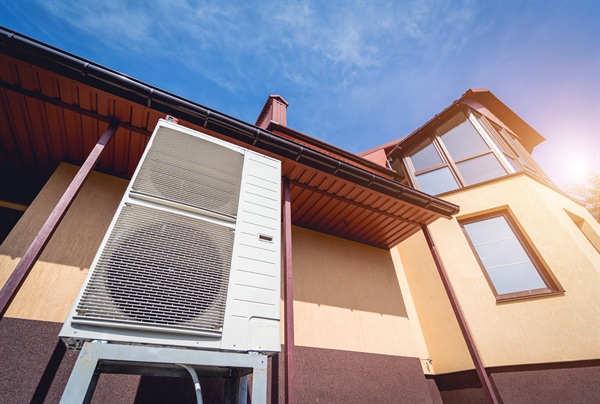
Homeowners and businesses rely on HVAC systems to maintain indoor comfort, but as concerns about indoor air quality grow, standard heating and cooling systems often need an extra layer of protection.
Integrating UV purifiers into an existing HVAC system is one way to enhance overall air quality and system performance. These systems use ultraviolet light to neutralize airborne contaminants that standard filters might miss, such as mold spores, bacteria, and viruses, helping to create cleaner, healthier indoor environments.
This advanced method works quietly within your ductwork and complements the work your HVAC system is already doing by sanitizing the air that circulates through your space.
UV purification isn't a new concept, but when applied to HVAC systems, it opens the door to significant benefits for both health and system longevity.
Whether you're maintaining your system in Eden Prairie or simply looking to get the most out of your HVAC investment, Tiger Plumbing Heating & Air breaks down everything you need to know. Learn how UV purifiers can optimize your HVAC system’s potential while improving the air you breathe.
Best Practices for Integrating UV Purifiers with Existing HVAC Systems
Integrating UV purifiers into existing HVAC systems involves strategic placement, electrical compatibility, and understanding airflow dynamics.
Most UV systems are installed near the evaporator coil or in the return air duct, where they can neutralize pathogens before air circulates through the home. This location targets microbial growth on the coil and in the ductwork, which is critical for maintaining system cleanliness.
Proper integration also means ensuring that the UV unit is compatible with the HVAC system’s electrical capacity, as some systems may require additional power handling.
Effective integration requires coordination with HVAC professionals to assess duct size, airflow direction, and access to power. Depending on system layout, technicians may choose coil sterilization systems, which mount near the coil, or air sterilization systems, which treat moving air inside the ducts.
In both cases, secure mounting and sealed housings are necessary to prevent UV light from leaking into occupied spaces. Additionally, UV-C light output should match the size and airflow capacity of the system to maintain efficacy.
Routine maintenance plays a role in sustaining performance. Bulbs should be replaced annually to maintain UV intensity, and installers must ensure no reflective surfaces or sensitive wiring are exposed to UV radiation.
Benefits of Combining UV Purifiers with HVAC Filters
UV purifiers and HVAC filters work best as a complementary pair. While filters physically trap particulates like dust, pollen, and dander, UV purifiers use shortwave ultraviolet light to destroy biological contaminants such as bacteria, viruses, and mold spores that may pass through standard filtration.
This dual approach improves indoor air quality significantly by reducing both particulate matter and microbial threats. Together, they form a layered defense system against airborne pollutants.
Another key benefit of this combination is reduced buildup on HVAC components. Filters can capture large debris before it settles in the ducts, and UV systems reduce microbial growth on coils and in the ductwork.
This keeps internal components cleaner for longer, enhancing airflow and system efficiency. The air smells fresher, there’s less risk of allergens recirculating, and people with respiratory conditions may notice fewer symptoms triggered by indoor air.
Integrating both technologies provides a proactive approach to home hygiene, particularly in humid or densely populated indoor environments. When used in tandem, filters catch physical particles while UV-C light neutralizes what can’t be seen. For a comprehensive look at how this system synergy works, explore Tiger’s air quality services.
Impact of UV Purifiers on HVAC System Longevity
UV purifiers contribute to HVAC longevity by minimizing microbial buildup that can cause blockages, corrosion, or reduced efficiency. When mold or biofilms form on coils and internal components, they reduce heat exchange efficiency and force the system to work harder.
By continuously sterilizing the coil and interior duct surfaces, UV systems keep these parts cleaner, reducing the risk of performance degradation over time.
Another area where UV systems help is in preserving airflow. Contaminant buildup can restrict airflow, putting strain on the blower motor and increasing energy consumption.
With fewer biological deposits in the system, airflow remains consistent, minimizing wear and tear on critical components. This results in fewer breakdowns, improved efficiency, and lower energy costs—factors that all contribute to extending the service life of the HVAC system.
Although UV purifiers do not replace routine maintenance, they reduce the frequency and intensity of service needs by limiting contaminant accumulation. They provide passive, continuous protection that supports other HVAC components, helping homeowners avoid expensive replacements or system overhauls.
Common Challenges When Installing UV Purifiers in HVAC Systems
Installing UV purifiers in existing HVAC systems can present several logistical and technical challenges. One of the most common issues is space constraints—older or compact HVAC systems may not have adequate room near the coil or inside the return duct for mounting a UV unit.
Retrofitting a UV system into tight or poorly accessible ductwork can require custom brackets or modifications to accommodate the equipment safely.
Another challenge is power compatibility. UV lamps require a reliable electrical source, and some older HVAC units may not have the circuitry to support them. In such cases, additional wiring or circuit upgrades are needed.
There’s also the issue of ensuring that the UV light doesn’t interfere with sensitive electronics or degrade nearby materials. This makes correct placement and shielding essential to avoid unintended damage.
There are also performance-related challenges. If the UV purifier is underpowered for the airflow rate or is not aligned correctly, its effectiveness is compromised.
Incorrect placement can also cause uneven exposure, allowing microbial growth to persist in untreated areas. To address these issues, installation should always involve a system assessment and precise calibration of UV output to duct size and airflow dynamics.
How UV Purifier Placement Affects Performance in HVAC Systems
The location of a UV purifier within an HVAC system directly influences how well it neutralizes airborne and surface-based microbes. The most effective placement is near the evaporator coil, where moisture and warmth provide an ideal breeding ground for mold and bacteria.
By irradiating the coil, the UV system prevents biofilm development, which otherwise reduces heat transfer efficiency and air quality.
In duct-mounted configurations, UV purifiers are placed in return or supply ducts to sterilize moving air before it recirculates. Placement in the return duct targets contaminants before they enter the air handler, while installation in the supply duct can help reduce the number of viable particles being redistributed.
Correct placement ensures the UV light covers the full cross-section of the duct and that airflow speed allows for adequate exposure time.
Incorrect placement—such as too far from the coil, in ducts with poor access, or in shadowed areas—can significantly reduce effectiveness.
UV light must make direct contact with pathogens to work, so obstructions or rapid airflow that limits dwell time can reduce sterilization results. Tiger Plumbing Heating & Air understands these nuances and can help customers evaluate their systems for optimal performance.
How Tiger Plumbing Heating & Air Can Help Improve Your HVAC System with UV Purification
Upgrading your HVAC system with UV purifiers is a practical step toward cleaner air, better efficiency, and longer-lasting equipment. Tiger Plumbing Heating & Air brings the experience and knowledge needed to help customers make informed choices.
Whether you’re looking to reduce allergens, eliminate odors, or simply improve system reliability, our team delivers proven solutions tailored to your existing infrastructure.
Tiger Plumbing Heating & Air provides expert support for homeowners and businesses seeking high-performance HVAC and air quality enhancements. Our experienced technicians are trained to assess, install, and maintain UV purification systems in a wide range of system types and configurations.
If you’re considering upgrading your system or want a professional evaluation of your current HVAC setup, contact Tiger Plumbing Heating & Air at 612-445-3030 or request a free estimate. Our team is ready to help you improve air quality, system performance, and long-term cost savings through the right UV purification strategies.