What Type of Water Treatment System Is Best for Hard Water?
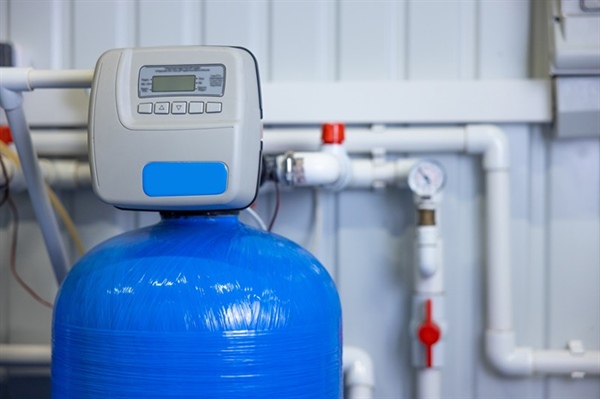
Hard water is a daily reality for many homeowners in Eden Prairie and surrounding Minnesota communities. White residue on faucets, cloudy glassware, dry skin after showering, and scale buildup inside appliances are all signs of elevated mineral content in the water supply. When calcium and magnesium levels rise, they change how water behaves in plumbing systems, water heaters, dishwashers, and washing machines. Understanding what type of system works best starts with knowing how hard the local water is and how different technologies address mineral content.
Choosing the right solution requires a clear comparison of system types and their performance. In this guide, we examine how hard the water is in this region, the differences between traditional softeners and salt-free systems, whether whole-house filtration removes iron and manganese, how mineral buildup affects plumbing and appliances, and what maintenance a residential system requires. As a trusted provider of plumbing and water treatment services, Tiger Plumbing Heating & Air frequently addresses these concerns for homeowners who want long-term protection for their plumbing infrastructure.
How Hard Is the Water in Eden Prairie and Surrounding Areas?
Municipal water in Eden Prairie and nearby communities is classified as moderately hard to very hard. Hardness is measured in grains per gallon (gpg) or milligrams per liter (mg/L) of calcium carbonate. Water is considered hard at levels above 7 gpg (or 120 mg/L). In much of the Twin Cities metro area, reported hardness levels commonly range between 10 and 20 gpg, which falls into the “hard” to “very hard” categories established by the U.S. Geological Survey.
These mineral levels originate from groundwater moving through limestone and dolomite formations common in Minnesota. As water travels through these deposits, it dissolves calcium and magnesium ions. While these minerals are not harmful to drink, they significantly affect plumbing efficiency and cleaning performance. Soap reacts with calcium to form insoluble residue, which reduces lathering and leaves deposits on fixtures and tile.
In homes with hardness above 10 gpg, scale accumulation inside water heaters can reduce heating efficiency by insulating heating elements. Even a thin layer of mineral scale can increase energy use and shorten equipment lifespan. For this reason, many local homeowners explore dedicated water treatment options to manage mineral buildup before it damages plumbing systems.
Water Softeners vs. Salt-Free Systems: Understanding the Key Differences
Traditional water softeners and salt-free conditioning systems address hardness in fundamentally different ways. A conventional ion-exchange water softener removes calcium and magnesium ions from water and replaces them with sodium or potassium ions. This process physically reduces hardness levels. The result is water that no longer forms scale because the hardness minerals have been removed.
Salt-free systems, often described as water conditioners, do not remove hardness minerals. Instead, they use template-assisted crystallization (TAC) or similar technologies to alter the structure of calcium and magnesium so they remain suspended in the water rather than attaching to plumbing surfaces. These systems reduce scale formation but do not lower measurable hardness levels in grains per gallon.
The distinction is critical. Ion-exchange softeners are effective in areas with very hard water because they eliminate hardness minerals entirely. Salt-free systems may reduce scale adhesion, but soap interaction and mineral spotting can still occur because the calcium and magnesium remain present. The “Environmental Benefits of Salt-Free Water Softening Systems” article in the company’s blog library highlights that salt-free systems reduce wastewater discharge and sodium addition, which appeals to environmentally conscious homeowners. However, performance expectations should align with the underlying technology differences.
Do Whole-House Filtration Systems Remove Iron and Manganese?
Whole-house filtration systems vary widely in function depending on the media used. Standard sediment or carbon filters are designed to remove particulate matter, chlorine, and certain organic compounds. These filters do not reliably remove dissolved iron or manganese in significant concentrations.
Iron and manganese removal typically requires oxidation followed by filtration. Specialized media such as manganese dioxide-coated filters, greensand filters, or catalytic carbon systems are designed to oxidize dissolved iron (ferrous iron) into particulate form so it can be filtered out. In some cases, aeration systems or chemical injection are used to initiate oxidation before filtration.
When iron levels exceed 0.3 mg/L or manganese exceeds 0.05 mg/L, staining on fixtures and laundry becomes common. Reddish-brown stains indicate iron, while black or dark brown stains may signal manganese. A properly designed whole-house treatment system must be matched to lab-tested water conditions. Without oxidation and appropriate media, a general filtration unit will not address these metals effectively.
How Hard Water Affects Plumbing Systems and Household Appliances
Hard water directly impacts plumbing efficiency through scale formation. As heated water flows through pipes and equipment, dissolved calcium carbonate precipitates and adheres to internal surfaces. This scale narrows pipe diameter, restricts flow, and increases pressure within the plumbing system. Over time, this buildup can contribute to leaks at joints and valve failures.
Water heaters are particularly vulnerable. Scale accumulates on heating elements and tank bottoms, creating an insulating barrier between the heat source and the water. Research from the Water Quality Association indicates that scale as thin as 1/8 inch can reduce heating efficiency and increase energy consumption. In tank-style heaters, sediment buildup can also cause rumbling noises and overheating of lower tank sections.
Appliances such as dishwashers and washing machines also suffer from mineral deposits. Spray arms clog, internal components wear prematurely, and detergent performance declines. The result is higher detergent use, spotting on glassware, and shortened appliance lifespan. Addressing hardness at the point of entry prevents these long-term mechanical stresses from accumulating.
Maintenance Requirements for Residential Water Treatment Systems
Maintenance depends on system type. Ion-exchange water softeners require periodic salt replenishment in the brine tank. The frequency depends on household water usage and hardness levels. Most systems also benefit from annual inspection to confirm resin integrity, injector cleanliness, and proper regeneration cycles.
Salt-free conditioning systems typically require less routine intervention because they do not use brine tanks. However, TAC media cartridges have a finite service life and must be replaced according to manufacturer specifications, often every three to five years depending on water quality and flow rate.
Whole-house filtration systems require scheduled media replacement. Sediment pre-filters may need changing every few months, while carbon or specialty iron-removal media may last longer depending on contaminant load. Manufacturer guidance and water testing determine replacement intervals. Homeowners seeking detailed service schedules can reference resources provided by Tiger Plumbing Heating & Air to understand system-specific requirements.
Professional Water Treatment Solutions in Eden Prairie
Managing hard water and related mineral concerns requires accurate testing and properly sized equipment. Tiger Plumbing Heating & Air provides comprehensive evaluation and installation of residential water treatment systems tailored to local water conditions. With extensive experience serving homeowners throughout the region, their team addresses hardness, iron staining, manganese discoloration, and scale-related appliance damage using proven technologies.
Whether the goal is complete hardness removal through ion exchange, scale reduction with conditioning systems, or specialized filtration for iron and manganese, system design begins with understanding the specific mineral profile of the home’s water supply. Routine maintenance, salt delivery options, media replacement schedules, and performance inspections are all part of maintaining long-term system efficiency.
Homeowners seeking guidance on selecting or maintaining a system can call 612-445-3030 or contact us to schedule an evaluation. Tiger Plumbing Heating & Air delivers targeted solutions that protect plumbing systems, improve appliance performance, and support long-term water quality management throughout Eden Prairie and nearby communities.