
Eden Prairie & the West Metro
Sewer Line Repair & Replacement
A possible sewer-main problem needs a careful boundary: describe the fixtures involved, keep clear of wastewater, and let the current condition guide the evaluation. Tiger can discuss repair or replacement after the service need is understood.
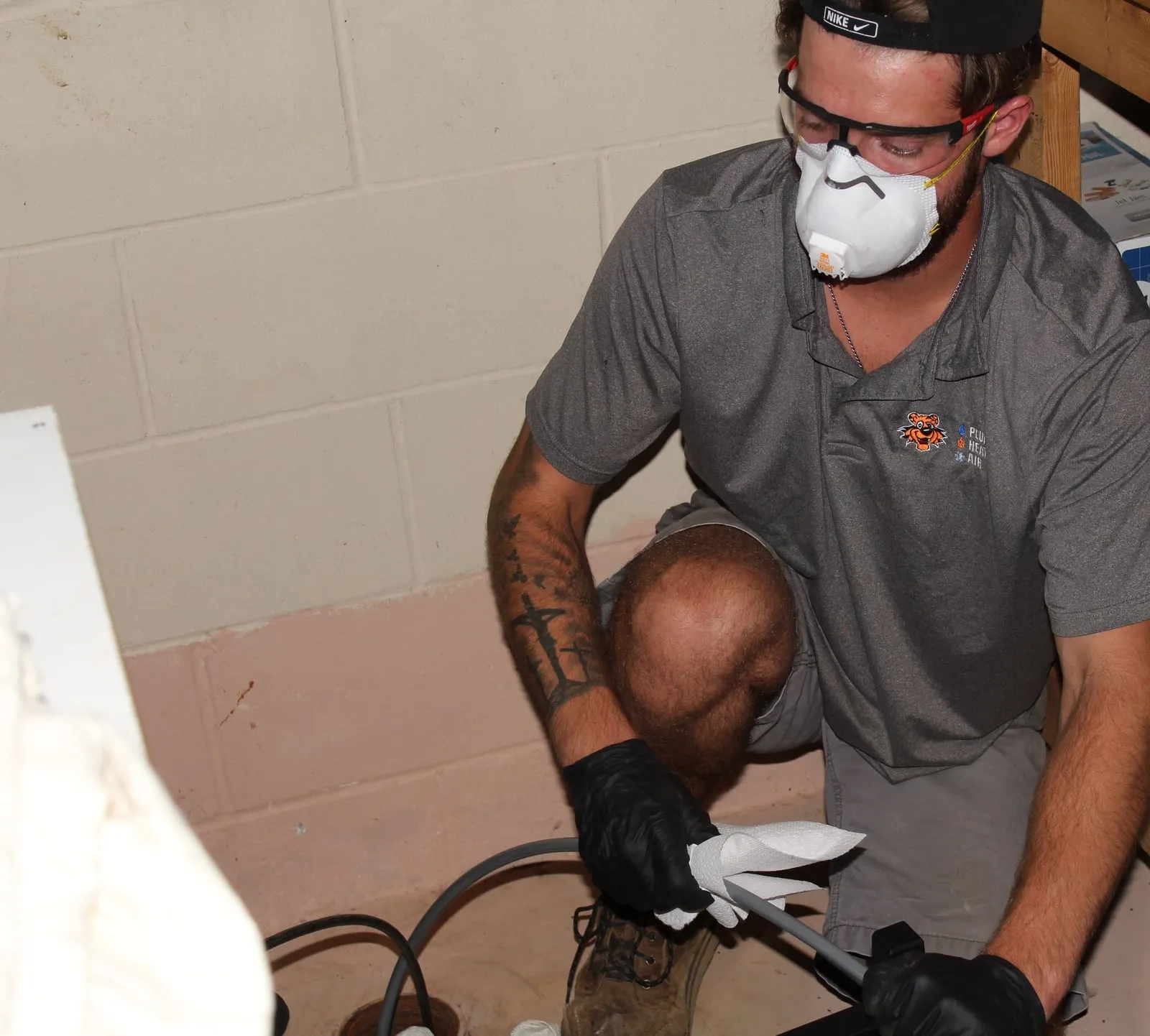
- Repair and replacement stay tied to assessed conditions
- Camera evaluation belongs within the broader sewer-line assessment
- Choose drain cleaning for trouble isolated to a fixture drain
Backup or escaped wastewater
Stop use and protect the occupied space.
Wastewater can create sanitation and slip hazards. Avoid contact and keep the response focused on people, pets, and the affected area.
- Stop using affected fixtures when continued use is contributing to a backup or overflow.
- Keep people and pets away from wastewater and any contaminated surfaces.
- If water has reached electrical equipment, outlets, wiring, or a panel, stay clear and address the immediate electrical danger first.
Do not open a cleanout, enter a confined area, or use chemicals to test the line. Tell Tiger if a drain product has already been used.
Which path fits?
Begin with the pattern across the home.
The number of fixtures involved can help organize the first call, but it does not diagnose the line or select a repair method.
One fixture
Keep a fixture drain in its own lane.
A slow or stopped sink, tub, shower, or toilet may belong with Drain Cleaning. A symptom at one fixture does not establish a sewer-main problem.
Several fixtures
Describe the pattern without diagnosing it.
If several drains or fixtures have changed, share which ones are affected and the order in which you noticed them. That pattern is useful context, not proof of a specific cause.
Recurring trouble
Bring earlier history to the assessment.
Tell Tiger if backups or drainage trouble have returned after earlier service. Prior observations can inform the next conversation without predetermining a repair method.
How camera evaluation fits
Inspection supports the line decision.
A sewer-camera question belongs with sewer-line service because inspection can support understanding of a possible main-line condition when appropriate.
A camera inspection is not promised as an automatic step on every visit. After the current situation is assessed, Tiger can explain whether that type of evaluation is relevant and how it would inform a repair or replacement discussion.
A method-neutral process
Condition first. Scope second.
No excavation, clearing, inspection, or replacement method should be assumed before the conditions and the service boundary are known.
Locate the service conversation
Start with the affected fixtures, visible conditions, and whether wastewater is escaping now.
Assess before choosing a method
The situation needs to be evaluated before repair, replacement, or any inspection approach is recommended.
Review a scoped next step
Tiger can explain the findings and the proposed direction so the decision stays tied to the actual sewer-line condition.
Helpful when you call
Map the symptoms in plain language.
Which fixtures are affected, and which one changed first?
Is the trouble active now, recurring, or already contained?
Has wastewater escaped into an occupied or electrical area?
What earlier drain or sewer service history is easy to recall?
Sewer-line service
Tell Tiger what is affected right now.
Start with the fixtures, the timing, and whether wastewater is contained. The repair or replacement conversation can follow the assessment.